
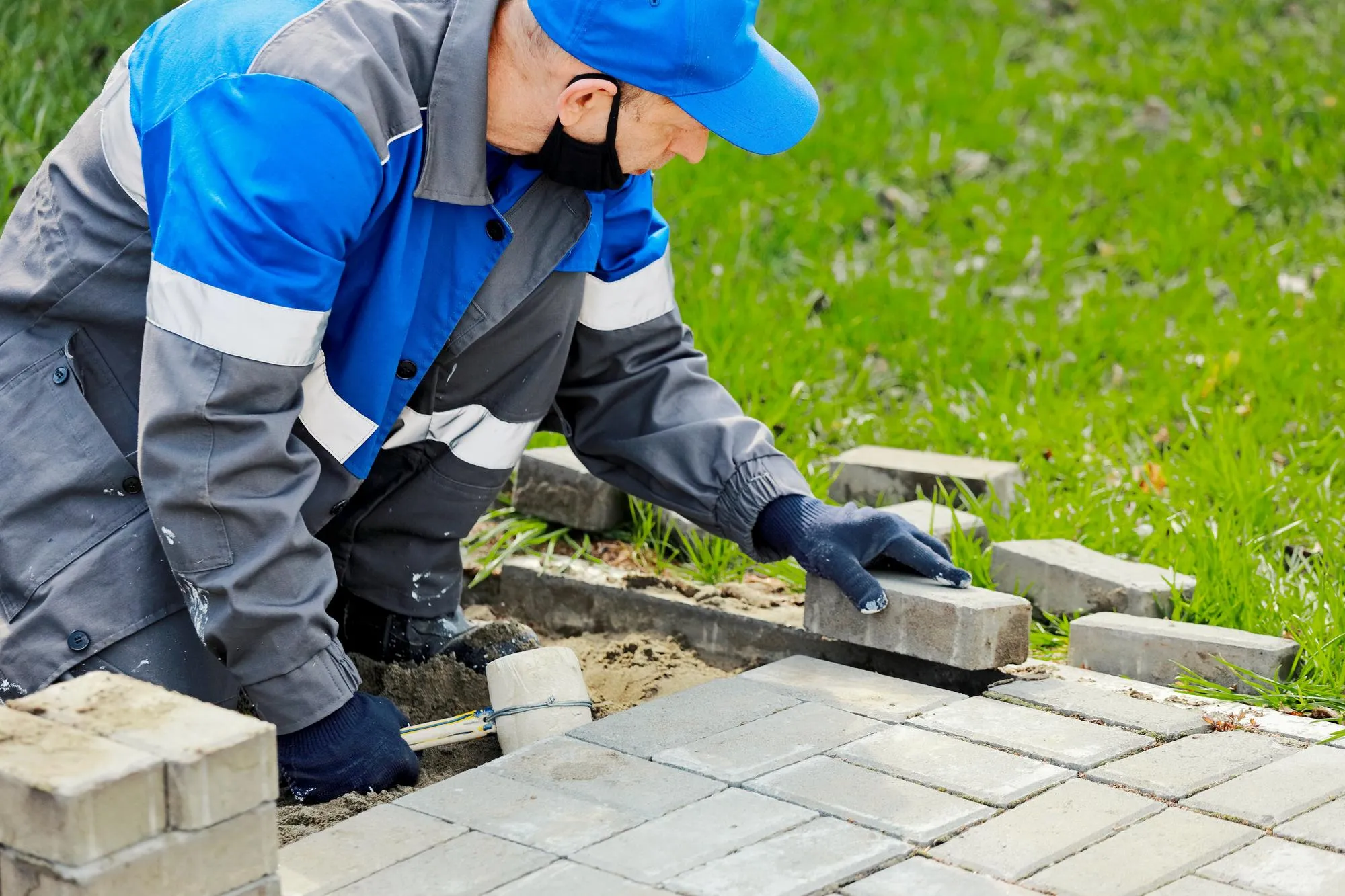
Maintaining hardscaping elements like pavers, retaining walls, and patios is essential to preserving their beauty, durability, and functionality. Seasonal maintenance helps protect these features from the elements and ensures they last for years to come. Whether you live in a region with harsh winters, intense summer sun, or mild conditions year-round, taking the right steps to protect and maintain your hardscape can prevent costly repairs and keep your outdoor spaces looking great. In this post, we’ll cover a seasonal hardscape maintenance guide with tips on how to care for pavers, walls, and patios throughout the year.
Why Is Hardscape Maintenance Important?
Hardscaping elements like pavers, walls, and patios are exposed to the elements and undergo wear and tear over time. Regular maintenance can help:
- Prevent Damage: Protect your hardscape from weather-related damage, such as erosion, cracking, or shifting.
- Preserve Aesthetic Appeal: Keep your pavers, walls, and patios looking as beautiful as the day they were installed.
- Extend Lifespan: Proper care increases the durability and lifespan of your hardscape elements.
- Increase Safety: Ensure that surfaces remain even and free of debris to prevent tripping hazards.
Seasonal Hardscape Maintenance Guide
Spring Maintenance: Preparing for the Growing Season
Spring is the perfect time to assess your hardscaping elements after winter’s toll. As temperatures rise and plants begin to bloom, you’ll want to make sure your patio, pavers, and walls are ready for the busy outdoor season.
- Clean Pavers and Patios
- Pressure Washing: Use a pressure washer to clean dirt, grime, and moss off of pavers and patio surfaces. This will restore the original color and texture of the material. Be gentle to avoid damaging the surface.
- Sweep and Scrub: Sweep the surface of your pavers and patios regularly to prevent dirt from settling in. If necessary, use a scrub brush and mild detergent to remove stains and marks.
- Check for Weeds: Weeds tend to grow between pavers and around patio edges. Use a weed remover tool or a natural solution like vinegar to eliminate weeds without damaging the surface.
- Inspect and Refill Joint Sand
- Over time, sand can wash away from the joints between pavers, leading to shifting or uneven surfaces. In the spring, inspect the joints and top them up with fresh polymeric sand or joint sand to stabilize the pavers and prevent weed growth.
- Compaction: After adding sand, lightly compact the joints using a rubber mallet or plate compactor to ensure the sand settles evenly.
- Check Retaining Walls for Damage
- Visual Inspection: Look for cracks or signs of leaning in your retaining walls, as these issues can worsen over time. If you notice any significant damage, it’s important to address it quickly before it escalates.
- Leveling: Ensure the walls are level and stable. If any blocks have shifted, you may need to replace them or adjust the placement.
- Drainage Check: Make sure that the drainage system behind the retaining walls is clear of debris and functioning correctly to prevent water from accumulating and causing the wall to erode or collapse. Landscape drainage solutions can help address any drainage issues.
Summer Maintenance: Protecting from Heat and Use
Summer heat and frequent outdoor use can cause wear on hardscaping surfaces. During the hot months, your hardscaping elements will be exposed to sun, rain, and foot traffic. This is a good time to perform regular checks and keep surfaces protected.
- Protect from Sun Damage
- Sealant Application: Apply a sealant to pavers and patios to protect them from UV rays and prevent fading. Sealant also helps protect the surface from stains, dirt, and moisture. Choose a sealant appropriate for your material—some are glossy, while others provide a matte finish.
- Maintain Plant Growth: Keep nearby plants trimmed to avoid any branches or vines rubbing against the hardscaping, which can cause staining, physical damage, or unwanted growth.
- Regular Sweeping and Cleaning
- Sweeping your pavers, patio, and walls regularly will keep dirt and debris from accumulating. Use a broom with soft bristles to avoid scratching surfaces.
- If you notice any algae or moss growth, scrub the areas with a mixture of water and mild soap or a gentle cleaner to remove buildup.
- Inspect for Shifting and Settlement
- During the summer months, high foot traffic and temperature fluctuations can cause pavers to shift. Look for any uneven areas on your patio or walkway. If necessary, re-level the pavers by adding more sand underneath and compacting them back into place.
- Retaining Wall and Drainage Inspection
- Check your retaining walls for any signs of displacement or erosion. Ensure that the drainage systems behind the walls are functioning correctly to prevent damage during heavy summer rainfall.
Fall Maintenance: Preparing for Winter Conditions
As the weather cools and the days shorten, fall is an excellent time to prepare your hardscaping for the harsher winter months. Proper fall maintenance will help protect your investment and ensure that everything is ready to withstand the freeze-thaw cycle.
- Clean and Seal Pavers and Patios Again
- As leaves and debris begin to fall, it’s essential to clear your pavers and patio before winter. Clean the surface thoroughly and apply another layer of sealant if necessary to protect against moisture absorption during the winter.
- Inspect for Winter Damage
- Check your pavers, walkways, and patio surfaces for any signs of cracking or damage that may have occurred over the summer. If you find any issues, address them before the ground freezes.
- Stonework repair & restoration services can help with repairing cracked or damaged pavers and walls before they worsen in the winter.
- Winterize Retaining Walls
- Drainage Systems: Make sure that any drainage systems behind your retaining walls are clear and functioning properly. This will prevent water buildup that could freeze and expand, causing the walls to shift or crack.
- Prevent Erosion: Apply a protective layer of mulch or organic matter around the base of retaining walls to prevent erosion caused by winter winds or rainfall.
- Prep for Ice and Snow
- Snow Removal: If you live in an area with heavy snowfall, use a snow blower or shovel to remove snow from walkways and patios regularly. Avoid using salt, which can damage pavers and other hardscaping materials. Instead, use sand or kitty litter to provide traction.
Winter Maintenance: Protecting Hardscapes from Freeze-Thaw
Winter can be hard on hardscaping surfaces due to freeze-thaw cycles, which can cause materials to crack and shift. While there’s not much active maintenance required in winter, there are steps you can take to protect your hardscape:
- Avoid Deicing Salts: Deicing salts can cause damage to the surface of pavers, patios, and retaining walls. Instead, use sand or calcium chloride in moderation to prevent damage during winter storms.
- Monitor for Shifting or Cracking: As the ground freezes and thaws, pavers and walls may shift or crack. Regularly inspect these features for any changes, and address them in the spring if needed.
- Protect Surfaces: If your patio or pavers are exposed to heavy snow or ice buildup, consider covering them with a tarp or protective sheeting to shield them from the worst of the winter conditions.
Conclusion
Maintaining your hardscaping features throughout the seasons is crucial for ensuring they remain beautiful and functional for years to come. By cleaning your pavers, inspecting retaining walls, applying sealant, and protecting from the elements, you can prevent damage and extend the lifespan of your hardscape. Regular seasonal maintenance will keep your outdoor spaces looking great, reduce costly repairs, and ensure that your landscaping investment stays intact. For additional help with hardscaping maintenance, landscaping professionals can guide you through the best practices for caring for your patio, pavers, and walls.