
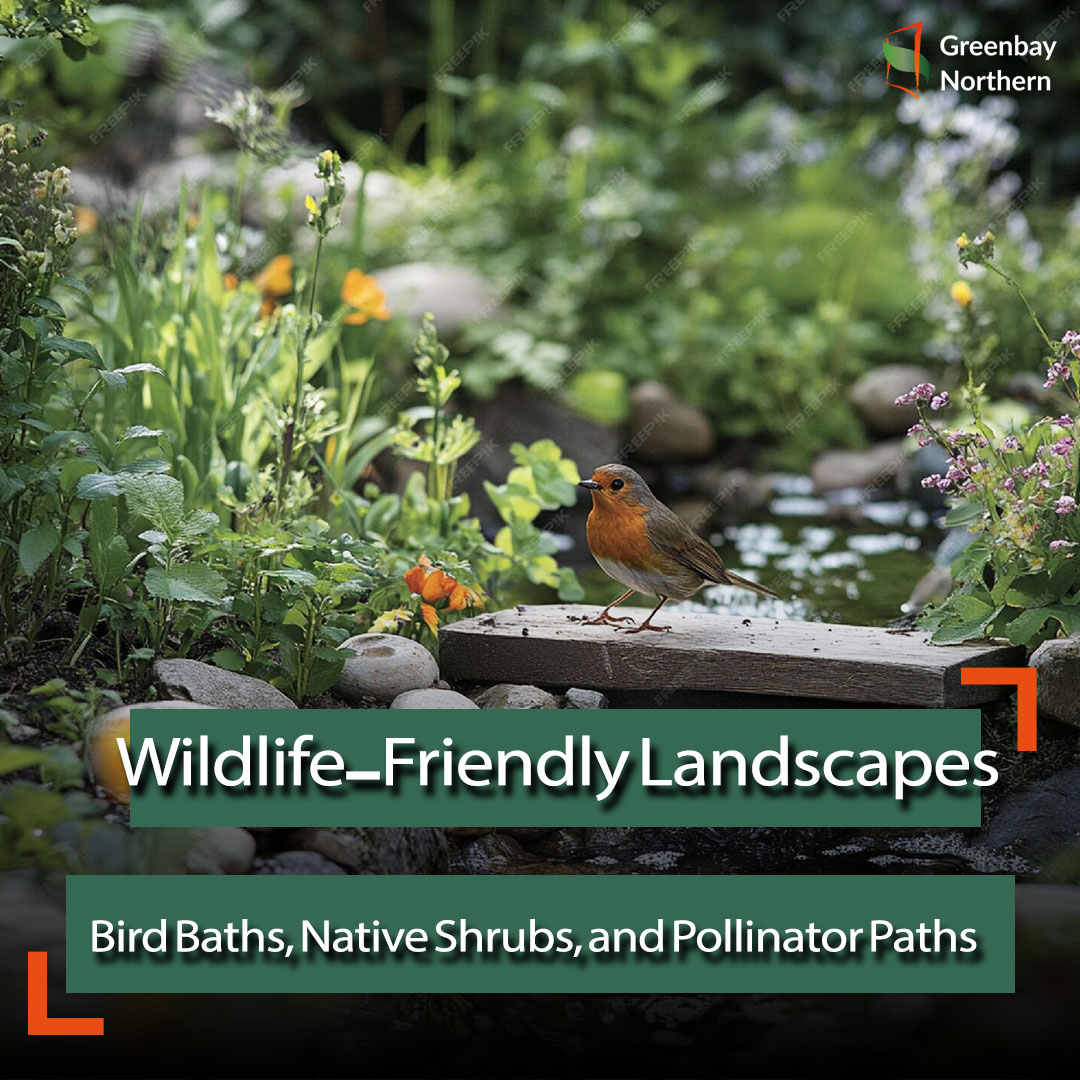
Creating a wildlife-friendly landscape is a rewarding way to connect with nature and enhance your outdoor space. By incorporating features like bird baths, native shrubs, and pollinator pathways, you can transform your garden into a vibrant habitat for birds, bees, butterflies, and other beneficial wildlife. Not only will you be providing essential resources for local species, but you’ll also enjoy the beauty and movement these creatures bring to your garden. In this post, we’ll explore how to design a landscape that attracts and supports wildlife, helping to foster a balanced and thriving ecosystem in your own backyard.
In regions like Newmarket, integrating wildlife-friendly design elements is seamlessly achieved when paired with professional Landscaping in Newmarket, which ensures your native shrubs, bird baths, and pollinator pathways are expertly implemented.
Why Create a Wildlife-Friendly Landscape?
Wildlife-friendly landscapes are more than just beautiful—they play an important role in supporting biodiversity. Here’s why creating one in your yard is important:
- Support Local Wildlife: Many species are losing their natural habitats due to urbanization, pollution, and climate change. A wildlife-friendly landscape offers a safe haven for these creatures, providing food, water, and shelter.
- Promote Pollination: By planting native plants and supporting pollinators like bees and butterflies, you’re helping to ensure the health of plants and crops in your area, which in turn supports local food sources.
- Enhance Beauty and Ambiance: Attracting birds, bees, and butterflies adds dynamic beauty to your garden, with movement, color, and sounds that make your outdoor space more engaging.
- Reduce Lawn Maintenance: By shifting away from traditional, resource-heavy lawns and focusing on native plants and natural elements, you can reduce the need for watering, fertilizing, and mowing.
Key Features to Create a Wildlife-Friendly Landscape
1. Bird Baths: Providing Water for Wildlife
Water is a vital resource for wildlife, and a bird bath is one of the easiest ways to attract a variety of species to your garden. Bird baths provide birds with the opportunity to drink, bathe, and cool off, especially during hot weather.
Benefits of Bird Baths:
- Essential Hydration: Birds need access to fresh water for hydration and cleaning. A bird bath offers an important resource, especially during dry spells.
- Encourages Birdwatching: Placing a bird bath in a visible area allows you to observe different bird species as they come and go, adding beauty and life to your yard.
- Supports Local Species: Bird baths attract a wide range of species, including hummingbirds, sparrows, finches, and robins, which can help with pest control by eating insects.
Tips for Bird Bath Placement:
- Accessibility: Place your bird bath in a location where birds can easily access it but feel safe from predators. Avoid placing it too close to dense bushes or trees where predators might hide.
- Shallow Water: Ensure the bird bath is shallow, with water no deeper than 2-3 inches. Add rocks to the bottom for birds to perch on safely.
- Regular Cleaning: Keep the bird bath clean to prevent the spread of disease. Change the water regularly and scrub the basin to remove algae or debris.
| Section / Element | Purpose & Benefit | Key Points / Recommendations |
|---|---|---|
| Bird Baths | Provide water for birds and small animals; attract birds for drinking, bathing, and cooling, especially in hot seasons. | • Water should be shallow (2–3 inches). • Add gravel or rocks for safety. • Place in safe, accessible areas, not near dense shrubs where predators may lurk. • Change water regularly and clean the bath to prevent algae and disease. |
| Native Shrubs | Offer shelter, food, nesting spots, and security for birds and small animals; low-maintenance compared to non-native plants. | • Use native species (e.g., serviceberry, elderberry, chokeberry for fruits; spirea, wild rose, honeysuckle for flowers). • Evergreens (like arborvitae, juniper) offer year-round cover. • Plant a variety for food and coverage across seasons. • Native plants are drought-tolerant and reduce maintenance needs. |
| Pollinator Pathways | Create a space or pathway that provides food sources and habitat for pollinators (bees, butterflies, hummingbirds, etc.), boosting biodiversity. | • Choose flowering native plants with abundant nectar and pollen — e.g., black-eyed Susan, goldenrod, wild bergamot, milkweed. • Select plants that bloom at different times throughout the year. • Offer a range of habitats (grasses, flowers, shrubs) for pollinators. • Avoid chemical pesticides; use natural pest control. |
| Additional Natural Habitat Elements | Increase biodiversity, provide habitats for small animals, insects, reptiles, and winter shelters. | • Leave fallen leaves, branches, and logs as natural shelters for insects and small mammals. • Build rock piles or log piles to shelter reptiles and insects. • Include fruiting trees or plants for food. • Replace lawn areas with more diverse, wildlife-friendly spaces. |
2. Native Shrubs: Offering Shelter and Food for Wildlife
Native shrubs provide essential shelter, food, and nesting sites for local wildlife. These plants have evolved to thrive in your region’s climate and provide food and habitat for birds, insects, and mammals.
Benefits of Native Shrubs:
- Food Sources: Native shrubs produce berries, seeds, and flowers that attract a variety of wildlife. For example, serviceberry and elderberry provide food for birds and small mammals.
- Natural Shelter: Shrubs create safe spaces for birds to nest, hide from predators, and find shelter during storms or extreme temperatures.
- Low Maintenance: Native shrubs are adapted to local soil and climate conditions, so they require less water, fertilizer, and care than non-native plants.
Best Native Shrubs for Wildlife:
- Berry-Producing Shrubs: Serviceberry, elderberry, and chokeberry are excellent for attracting birds, especially in the winter when food is scarce.
- Flowering Shrubs: Spirea, wild rose, and honeysuckle provide nectar for pollinators like bees and butterflies, while also offering cover for birds.
- Evergreen Shrubs: Arborvitae and juniper provide year-round shelter and nesting opportunities for birds.
When planting native shrubs, consider garden design & planting services to help you select the best species for your region and ensure a diverse, wildlife-friendly landscape.
3. Pollinator Pathways: Supporting Bees, Butterflies, and Other Pollinators
Pollinator pathways are dedicated areas in your garden designed to support pollinators like bees, butterflies, moths, and hummingbirds. These species are essential for the reproduction of many plants, including food crops, and need safe, abundant habitats to thrive.
Benefits of Pollinator Pathways:
- Encourages Pollination: By planting a diverse array of nectar- and pollen-rich plants, you create an environment that supports the health of local pollinators and helps increase pollination rates in your area.
- Biodiversity: A pollinator pathway contributes to the overall biodiversity of your garden by supporting a wide range of species, including beneficial insects.
- Beauty and Movement: Pollinator-friendly plants, like wildflowers and herbs, bring vibrant color to your garden while attracting butterflies, bees, and hummingbirds.
Designing a Pollinator Pathway:
- Choose Native Plants: Select native flowering plants that provide nectar and pollen. Some great choices for Ontario include black-eyed Susan, goldenrod, wild bergamot, and milkweed.
- Create a Continuous Bloom: To support pollinators throughout the growing season, include a variety of plants that bloom at different times, from early spring to late fall.
- Provide Shelter: Include plants that offer shelter, such as grasses, shrubs, and wildflowers. These plants provide resting spots and safe environments for pollinators.
- Avoid Pesticides: Avoid using harmful pesticides that can harm pollinators. Instead, focus on natural pest control methods, such as introducing ladybugs or lacewings to control aphids.
Landscaping consultation services can help you design a pollinator pathway that attracts bees and butterflies while complementing your overall garden design.
Additional Wildlife-Friendly Landscaping Tips
- Create Habitat with Fallen Leaves and Branches: Leave fallen leaves, branches, and logs in your garden to provide shelter and habitat for insects, birds, and small mammals. These materials create safe spaces for wildlife and provide food for creatures like earthworms and beetles.
- Incorporate Rocks and Log Piles: A rock garden or log pile can provide shelter for reptiles, insects, and small mammals. These areas offer hiding places and help improve the biodiversity of your garden.
- Plant Pollinator Trees: Add trees like maples, oaks, and willows that produce pollen, nectar, and fruit for various wildlife species. These trees also provide habitat for birds and other animals.
- Use Natural Water Features: A pond or bird bath not only attracts birds but also supports frogs, insects, and small mammals. Ensure that water sources are kept clean to support healthy wildlife populations.
- Reduce Lawn Areas: Traditional lawns offer little to no habitat for wildlife. Consider replacing parts of your lawn with natural planting areas that support pollinators and other wildlife.
If you’re looking to enhance your outdoor space, professional landscaping is essential for creating a beautiful and functional environment. Whether you want to add vibrant plants, install hardscaping features, or maintain a lush lawn, our team in Richmond Hill is here to bring your ideas to life. To learn more about how we can transform your property, visit our page on Landscaping in Richmond Hill.
Conclusion
Creating a wildlife-friendly landscape is a beautiful and beneficial way to enhance your outdoor space while supporting local ecosystems. By incorporating features like bird baths, native shrubs, and pollinator pathways, you can create a thriving garden that attracts and supports a wide variety of wildlife. These elements not only add beauty and diversity to your yard but also play a crucial role in preserving biodiversity and ensuring the health of local ecosystems.
For expert help with designing your wildlife-friendly landscape, landscaping services can guide you through selecting plants and features that support wildlife and enhance the beauty of your garden.