
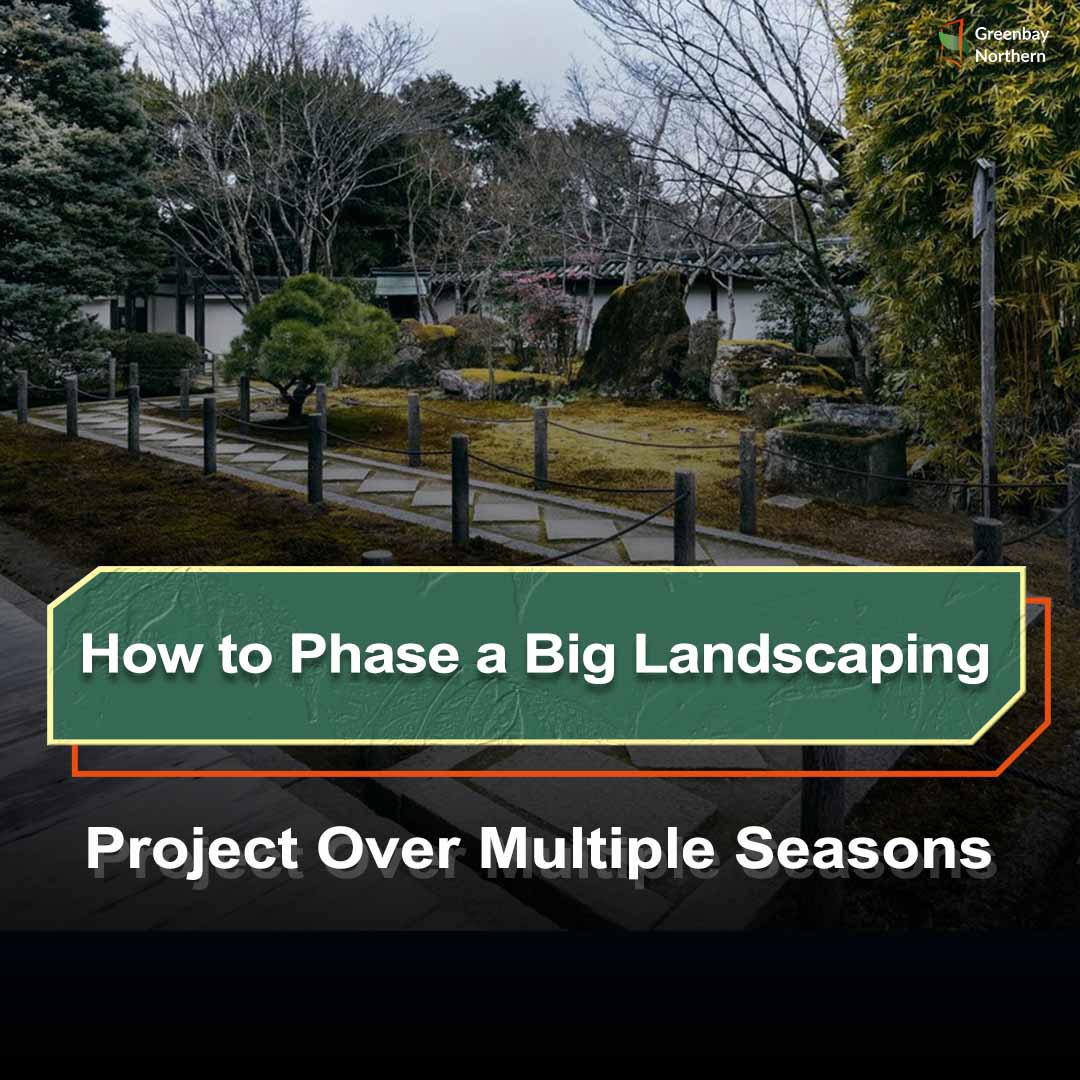
Tackling a big landscaping project can be an exciting but overwhelming endeavor, especially when the scope of work is extensive. Phasing your landscaping project over multiple seasons allows you to break down the work into manageable steps while keeping costs in check. Whether you are transforming your entire yard or adding major landscape features like gardens, patios, or outdoor living spaces, dividing the project into phases ensures that each part of the project gets the attention it needs without overwhelming your budget or timeline. In this post, we’ll guide you through the process of phasing a large landscaping project over multiple seasons, ensuring that you create a beautiful and functional outdoor space.
Why Phase a Big Landscaping Project?
Phasing a landscaping project allows you to:
- Manage Your Budget: Large landscaping projects can be costly. Phasing allows you to spread out expenses over multiple seasons or years, making it more financially feasible.
- Avoid Overwhelm: A large landscaping project can be overwhelming to execute all at once. Breaking it down into smaller phases allows you to focus on one area at a time, ensuring quality and attention to detail.
- Seasonal Flexibility: Certain aspects of landscaping are best done in specific seasons. By phasing your project, you can work with the natural growing cycle, ensuring plants thrive and features are installed at the right time.
- Incorporate Learning: As each phase of the project progresses, you may learn what works well in your space and what doesn’t. This gives you the opportunity to adjust the plan for future phases based on experience.
How to Phase a Large Landscaping Project
Phase 1: Planning and Design (Winter/Spring)
Before diving into physical work, the first step is always planning. Use the winter or early spring months to sketch your overall landscape design, research materials, and set a budget for the entire project. Planning in advance ensures that all components of your landscaping project are cohesive.
- Design the Layout: Draw a detailed plan of your yard, including the locations of hardscaping features (patios, walkways, retaining walls) and softscaping features (garden beds, lawns, trees).
- Set Priorities: Decide which features are most important or time-sensitive. For example, if you need to install a new irrigation system before planting, that should be Phase 1. Identify high-priority items such as retaining walls or hardscaping to complete first.
- Plan for Seasons: Consider the best times to work on specific elements of your project. Hardscaping (patios, walls, paths) should be done early in the spring or late summer, while planting is best in late spring or early fall.
- Set a Timeline: Break the project down into smaller goals. Set realistic timelines for each phase based on your resources, budget, and availability.
Phase 2: Hardscaping Foundations (Spring/Summer)
Hardscaping elements, such as patios, walkways, and retaining walls, form the foundation of your landscape. These features are often labor-intensive and require more time, materials, and attention to detail than planting, so it’s important to start here.
- Excavate and Level the Ground: Clear the area of debris, weeds, and existing structures, then level the ground. This may involve grading the soil to create the proper slope for drainage.
- Install Major Structures: Focus on large structures like patios, walkways, or retaining walls first. These are often permanent features that will define the overall layout of your yard. Work with professionals if needed for complex installations.
- Hardscaping Borders: Incorporate stone steps and borders for garden beds or seating areas. Use custom decks or fencing to outline areas for future planting or relaxation spaces.
- Incorporate Drainage Systems: If your project involves leveling or significant excavation, be sure to include proper drainage to prevent future flooding. Landscape drainage solutions are essential for managing water flow and protecting your hardscaping investments.
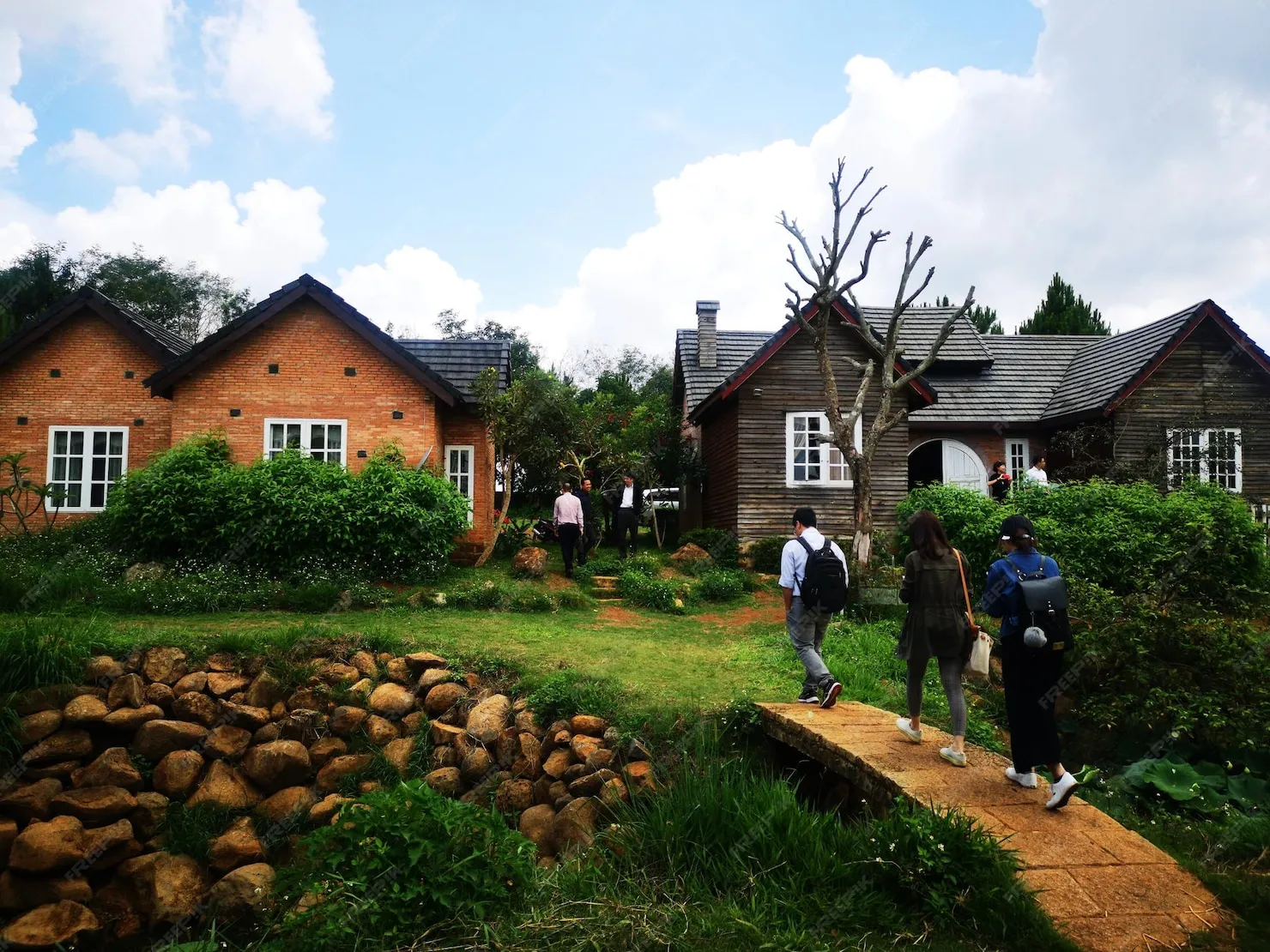
Phase 3: Planting and Softscaping (Late Spring/Fall)
Once the hardscaping is in place, it’s time to add life and color with plants, trees, and other greenery. Depending on the plants you choose, the timing of this phase will vary, but late spring or fall are the best times to plant in many regions.
- Soil Preparation: Amend the soil with compost or other organic matter to improve its fertility and structure. You may also need to adjust the soil’s pH depending on your plant choices.
- Plant Trees and Shrubs: Start by planting larger trees and shrubs, which can be difficult to transplant later in the season. These will become the structural components of your landscape.
- Add Flowers and Perennials: After the trees and shrubs are planted, add flowering plants, perennials, and ground covers. Group plants by their sunlight and water needs to make maintenance easier.
- Consider Edging and Mulching: Add edging to garden beds to create neat, defined spaces. Apply mulch to help retain moisture, suppress weeds, and improve the aesthetic appearance of garden beds.
Phase 4: Irrigation and Lighting (Summer/Fall)
Now that your plants are in place, it’s time to focus on watering and lighting systems to maintain their health.
- Install an Irrigation System: Depending on the size of your garden, consider installing a drip irrigation system or soaker hoses to ensure that your plants receive consistent moisture, especially during dry periods.
- Outdoor Lighting: Outdoor lighting can dramatically enhance the ambiance of your landscape in the evening. Outdoor lighting installation can illuminate walkways, highlight trees or garden features, and create a safe, welcoming atmosphere in your outdoor spaces.
- Water Features: If you plan to add a water feature, such as a pond or fountain, incorporate it at this stage to avoid disturbing newly planted areas.
Phase 5: Final Touches and Maintenance (Fall/Winter)
Once the major elements of your landscaping are complete, focus on maintenance and fine-tuning to ensure that your landscape remains healthy and beautiful over time.
- Pruning and Care: Prune trees and shrubs to remove dead or damaged branches and encourage healthy growth. In late fall, clean up any fallen leaves or debris to prevent disease buildup.
- Seasonal Decorations: Add finishing touches like outdoor furniture, garden statues, or seasonal décor to complete your outdoor rooms. Consider adding seating walls for a cozy gathering spot or fire pit area.
- Mulch and Insulation: Apply a fresh layer of mulch to protect plant roots during winter. In colder climates, add winter protection like burlap or garden fabric to shield sensitive plants from frost.
Phase 6: Enjoy Your Space (Year-Round)
Once your landscaping is complete, it’s time to enjoy the fruits of your labor! Depending on the season, your outdoor space may look different, but with careful planning, it will remain beautiful and functional year-round. Take time to relax, entertain, and make the most of your outdoor retreat.
If you’re looking to enhance your outdoor space, professional landscaping is essential for creating a beautiful and functional environment. Whether you want to add vibrant plants, install hardscaping features, or maintain a lush lawn, our team in Richmond Hill is here to bring your ideas to life. To learn more about how we can transform your property, visit our page on Landscaping in Richmond Hill.
To help plan your phased approach more effectively, consider combining each seasonal step with specialized Landscaping in Newmarket services to ensure your hardscaping, planting, irrigation, and finishing phases are executed with local expertise and cohesion.
Conclusion
Phasing a big landscaping project over multiple seasons is an effective way to manage your budget, prevent overwhelm, and ensure that your garden is designed and built with care. By breaking the work into manageable phases—starting with planning, then progressing through hardscaping, planting, irrigation, and finishing touches—you can create a stunning and functional outdoor space that you can enjoy for years to come. For expert guidance on landscaping design, hardscaping installation, or planting advice, landscaping services can help you bring your vision to life, one phase at a time.