
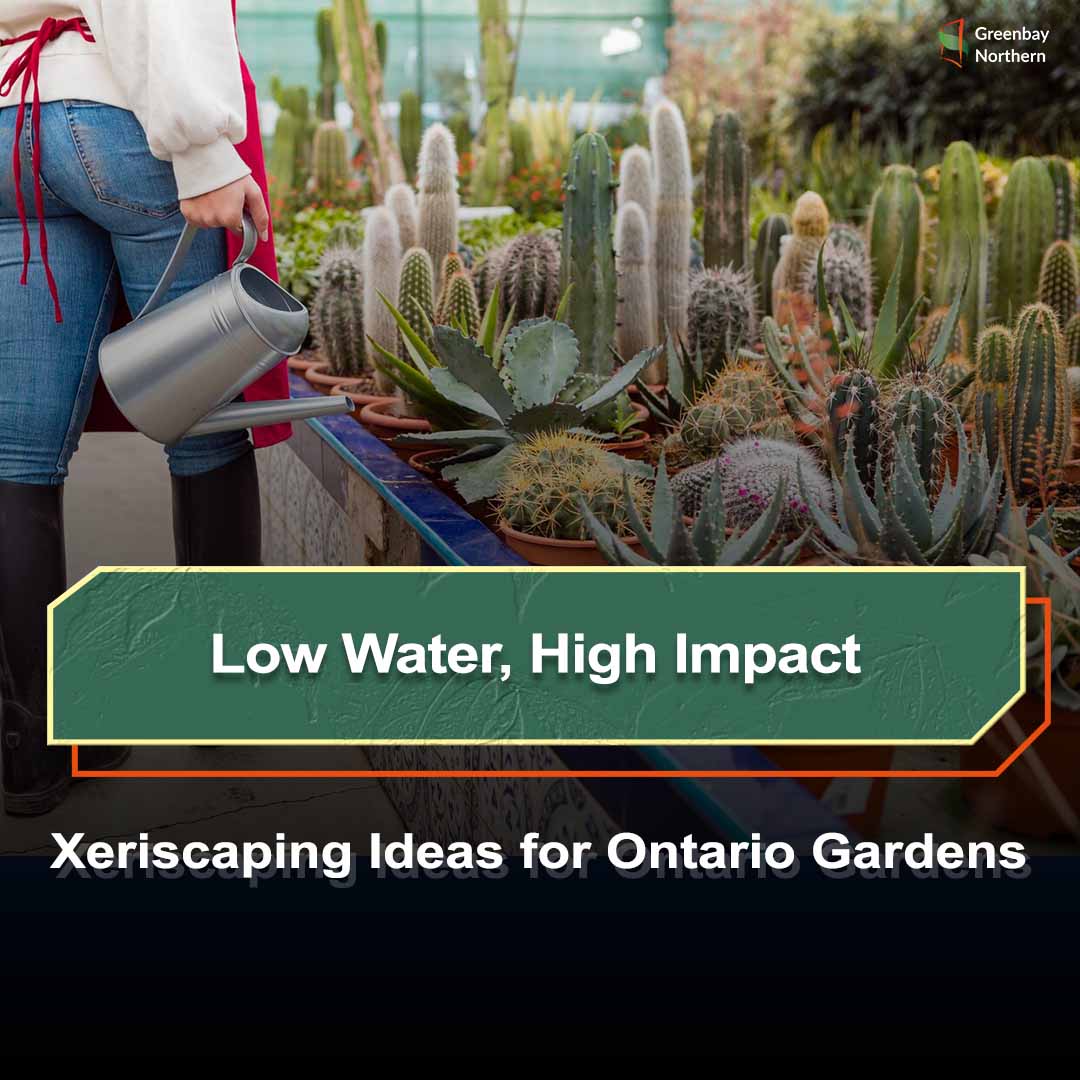
Xeriscaping is a sustainable gardening technique designed to conserve water while still creating a vibrant, beautiful landscape. Particularly suitable for areas with limited water resources or those who want to reduce their water consumption, xeriscaping incorporates drought-tolerant plants, efficient irrigation systems, and soil improvement practices. If you live in Ontario or any area with varying seasonal water availability, xeriscaping is a perfect solution to maintain a healthy garden with minimal water use. In this post, we’ll explore xeriscaping ideas that work well in Ontario gardens, providing low-water, high-impact results for your outdoor space.
Why Xeriscaping?
Xeriscaping offers several key benefits, especially for homeowners looking to reduce their environmental footprint and conserve water:
- Water Conservation: By using drought-resistant plants and minimizing lawn areas, xeriscaping significantly reduces the need for frequent watering, especially in dry summer months.
- Low Maintenance: Xeriscaped gardens often require less upkeep, as drought-tolerant plants are generally more resilient to pests, diseases, and fluctuating weather conditions.
- Cost Savings: Reduced water consumption leads to lower water bills, and low-maintenance gardens mean fewer expenses for fertilizers, pesticides, and frequent mowing.
- Environmental Benefits: Xeriscaping reduces the need for chemical pesticides and fertilizers, supporting local biodiversity and reducing chemical runoff into the environment.
- Aesthetic Appeal: Xeriscaping can be visually striking and diverse, with a range of colors, textures, and plant forms that bring beauty and interest to your outdoor space.
Key Principles of Xeriscaping
To design a xeriscaped garden, there are several essential principles to follow:
- Choose Drought-Tolerant Plants
- Use Efficient Irrigation
- Group Plants by Water Needs
- Soil Improvement
- Use Mulch to Retain Moisture
- Use Hardscaping Features
Let’s dive deeper into each of these principles and explore how you can incorporate them into your Ontario garden.
1. Choose Drought-Tolerant Plants for Ontario Gardens
The cornerstone of xeriscaping is choosing plants that are well-suited to dry conditions. Many native and adaptable plants thrive in Ontario’s climate, offering both beauty and water efficiency. Some top drought-tolerant plant options include:
- Native Grasses: Ontario has many grasses that thrive in dry conditions. Little Bluestem (Schizachyrium scoparium) and Switchgrass (Panicum virgatum) are perfect for creating a natural look while requiring minimal watering.
- Sedum (Sedum spp.): Known as “stonecrop,” sedum is a succulent that thrives in well-drained soil and low water conditions. Varieties like Autumn Joy add texture and color to your garden.
- Lavender (Lavandula spp.): A fragrant, purple-flowered shrub that thrives in dry, sunny locations. Lavender requires little water once established and adds both beauty and scent to your garden.
- Coneflower (Echinacea purpurea): A native perennial that attracts pollinators and thrives in low-water conditions. It’s perfect for creating a colorful, pollinator-friendly garden.
- Daylilies (Hemerocallis spp.): These hardy plants tolerate drought and bloom profusely, adding color and vibrancy to your garden with minimal water.
- Black-eyed Susan (Rudbeckia hirta): This vibrant perennial thrives in full sun and is both drought-resistant and low-maintenance.
- Milkweed (Asclepias spp.): Essential for monarch butterflies, milkweed is a drought-tolerant perennial that provides habitat for pollinators.
Choosing native plants ensures that you’re supporting local wildlife while reducing water usage and the need for chemical fertilizers.
2. Use Efficient Irrigation Systems
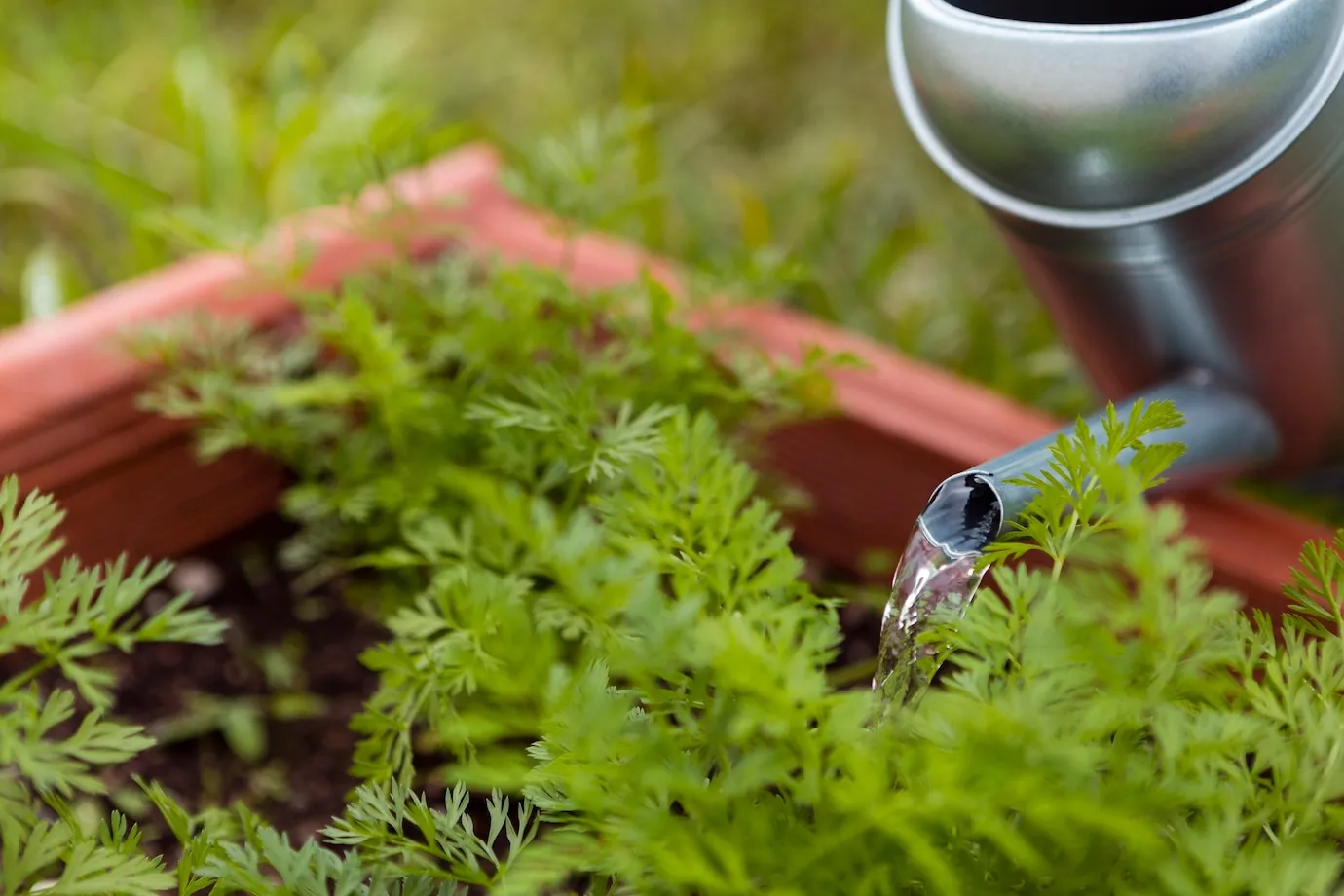
Even drought-tolerant plants need some water to get established, and an efficient irrigation system can help minimize water waste. In a xeriscaped garden, focus on methods that deliver water directly to the plant roots where it’s needed most.
- Drip Irrigation: Drip irrigation delivers water directly to the base of each plant, minimizing evaporation and runoff. This system is perfect for garden beds, flower borders, and shrubs.
- Soaker Hoses: Soaker hoses release water evenly along their length, gently watering the soil at a slow rate. These are ideal for covering larger areas of garden beds or rows of plants.
- Rain Barrels: Collecting rainwater in rain barrels helps conserve potable water. You can use rainwater to irrigate your xeriscaped garden, reducing your reliance on municipal water.
- Smart Irrigation: Use a smart irrigation system that adjusts watering based on weather conditions, ensuring that your garden receives water only when it’s needed.
3. Group Plants by Water Needs
In a xeriscaped garden, it’s important to group plants with similar water needs together. This technique, known as hydrozoning, ensures that each plant receives the appropriate amount of water, preventing overwatering and waste.
- Low-Water Plants: Create specific zones for low-water plants that thrive in dry conditions, such as succulents and native grasses.
- Moderate-Water Plants: Some plants may require more water but are still drought-tolerant once established. Group these plants together in areas where they can receive adequate irrigation without competing with drier plants.
- High-Water Plants: Use rain gardens or dedicated irrigation zones for plants that require more moisture, such as irises or water-loving shrubs.
4. Soil Improvement for Water Retention
Healthy soil is crucial for conserving water and ensuring that your plants thrive. By improving your soil before planting, you’ll create a better environment for your xeriscaped garden.
- Compost: Add organic matter like compost to improve soil structure and nutrient content. This helps retain moisture and encourages healthy root development.
- Soil Amendments: Incorporate materials like peat moss or coconut coir to increase soil moisture retention, especially in sandy or poorly draining soils.
- Clay or Loamy Soil: If you have soil that drains too quickly, consider adding soil amendments to increase its ability to retain moisture, reducing the need for frequent watering.
5. Use Mulch to Retain Moisture
Mulch is one of the most effective tools for reducing water loss and keeping your garden healthy in dry conditions. Applying mulch to your garden beds helps retain moisture, suppress weeds, and regulate soil temperature.
- Organic Mulch: Use wood chips, shredded bark, or straw for organic mulch. These materials break down over time, adding valuable nutrients to the soil.
- Inorganic Mulch: Gravel, stones, or rubber mulch are good options for xeriscaping because they don’t break down and are effective at preventing weed growth and retaining moisture.
| Principle / Idea | What to Do / Features | Main Benefit(s) |
|---|---|---|
| Choose drought-tolerant & native plants | Use species adapted to low water: e.g. grasses like Little Bluestem or Switchgrass; succulents such as Sedum spp.; shrubs/flowers like Lavender, Coneflower, Black‑eyed Susan, or Milkweed. (greenbaynorthern.com) | Plants survive with minimal watering; reduce water use and maintenance; support local ecosystem / pollinators (greenbaynorthern.com) |
| Use efficient irrigation systems | Install drip irrigation, soaker hoses; optionally use rain-barrels / collect rainwater; water directly at roots instead of overhead. (greenbaynorthern.com) | Minimize water waste (evaporation, runoff); ensure plants get just enough water; save water over time (Greeny Gardener) |
| Group plants by water needs (hydrozoning) | Design zones: low-water plants together; moderate-water (if any) separate; avoid mixing thirsty with drought-tolerant species. (greenbaynorthern.com) | Optimizes irrigation efficiency; prevents overwatering of drought-tolerant plants; simplifies maintenance (High Country Gardens) |
| Improve soil & use mulch | Enrich soil with compost or organic matter; improve drainage or water retention depending on soil type; apply mulch (organic or gravel/rock) over beds. (greenbaynorthern.com) | Helps soil retain moisture longer; reduces evaporation; suppresses weeds; improves plant health & reduces watering frequency (HGTV) |
| Incorporate hardscape / rock / low-maintenance structural features | Use stone, gravel, rock gardens, pathways, patios, or other hardscape elements rather than lawn everywhere. (greenbaynorthern.com) | Reduces overall water needs (since turfgrass often needs most water); adds visual appeal and structure; lowers maintenance costs and effort (Martha Stewart) |
| Design for sustainability & local climate | Select plants and materials suited for regional weather (Ontario in this case); plan garden for seasonal conditions; avoid overwatering and over-designing “thirsty” lawns. (greenbaynorthern.com) | Ensures long-term viability, resilience, lower maintenance, water savings, and environmental friendliness (Green Communities Guide) |
6. Use Hardscaping Features
Incorporating hardscaping features into your xeriscaped garden helps reduce the amount of plant material required, minimizing water usage. These features can add visual interest and functionality to your space while conserving water.
- Patios and Walkways: Use pavers, gravel, or stone for walkways and seating areas. These hardscaping elements help define garden spaces and reduce the need for lawn areas, which often require significant watering.
- Rock Gardens: Create a dry, low-maintenance rock garden with hardy, drought-tolerant plants that thrive in hot, dry conditions. Use stones or boulders to add texture and prevent moisture loss in the soil.
- Retaining Walls: Stone retaining walls can be used to create tiered garden beds that reduce water runoff and help control erosion in sloped areas.
Conclusion
Xeriscaping is an excellent approach for creating a beautiful, low-maintenance, and water-efficient garden, especially in Ontario, where varying weather conditions can affect water availability. By choosing drought-tolerant plants, using efficient irrigation systems, improving soil quality, and incorporating hardscaping elements, you can design a garden that thrives with minimal water usage. Whether you’re creating a stunning flower bed, a lush garden, or a functional outdoor space, xeriscaping offers both beauty and sustainability.
For expert guidance on designing your xeriscaped garden, landscaping services can help you select the best plants and techniques to suit your needs.